CIFRI Awards
Barrackpore Kolkata, West Bengal
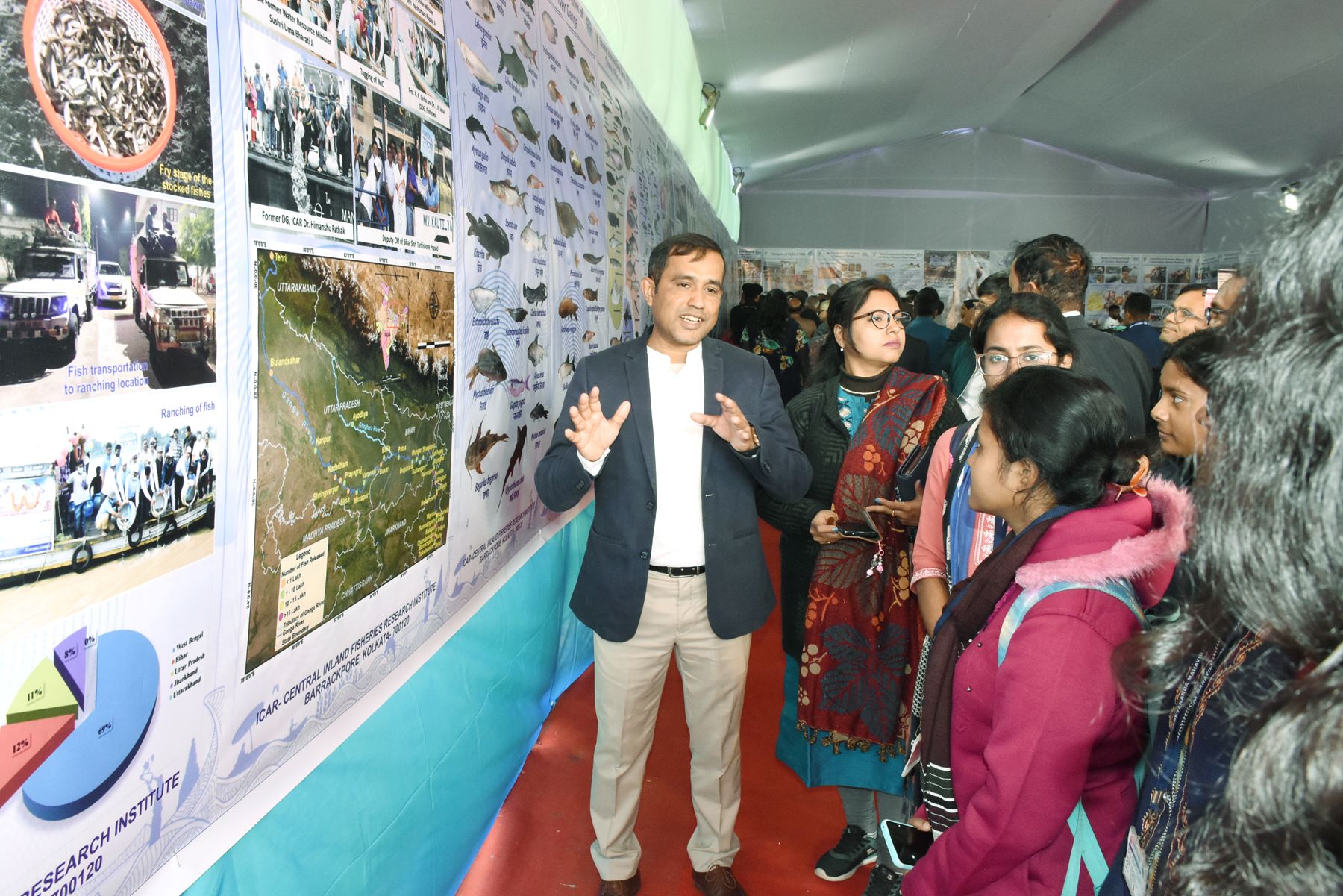
River Ganga, one of the world’s most sacred and life-sustaining rivers, supports rich aquatic biodiversity and provides livelihoods, food security, and cultural identity to millions of people across its vast basin. The ICAR–Central Inland Fisheries Research Institute (ICAR–CIFRI), Barrackpore, organising the three-day “Ganga Innovation Meet 2026” from January 13 to 15 under the Namami Gange Programme. The national-level meet focused on reviewing project progress and fostering informed deliberations on sustainable riverine fisheries.
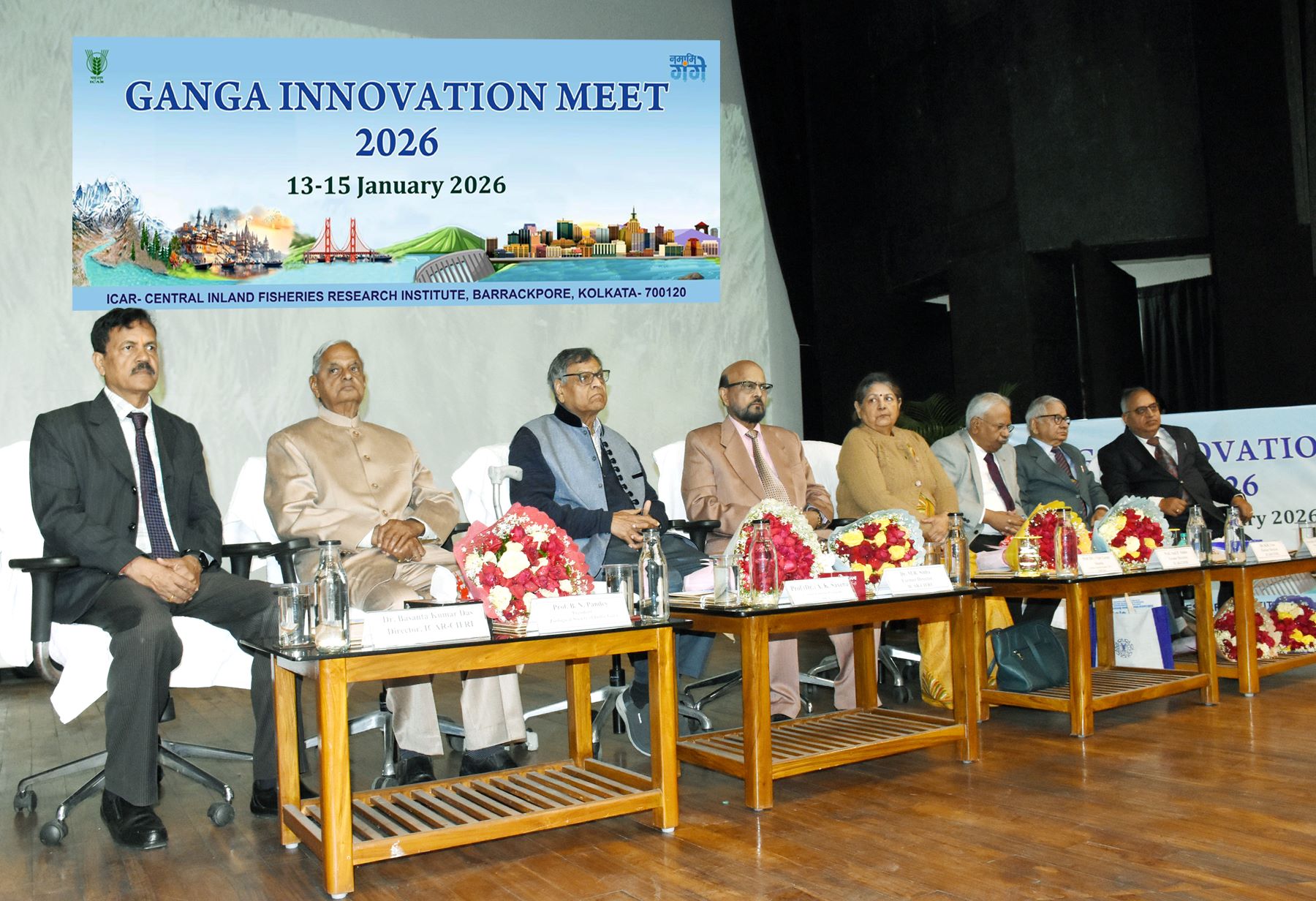
The programme was inaugurated in the presence of Chief Guest Prof. (Dr.) Vijay Laxmi Saxena, Former General President, Indian Science Congress Association (ISCA). The Honoured Guests included Prof. Ashok Kumar Saxena, Former General President, ISCA; Dr. K. K. Vass, Former Director, ICAR–CIFRI; Prof. (Dr.) Kuldeep K. Sharma, Former Vice-Chancellor, Himalayan University; Dr. M. R. Sinha, Former Director, ICAR–CIFRI; Prof. (Dr.) Anil P. Sharma, Former Director, ICAR–CIFRI; and Prof. B. N. Pandey, President, Zoological Society of India, Gaya.
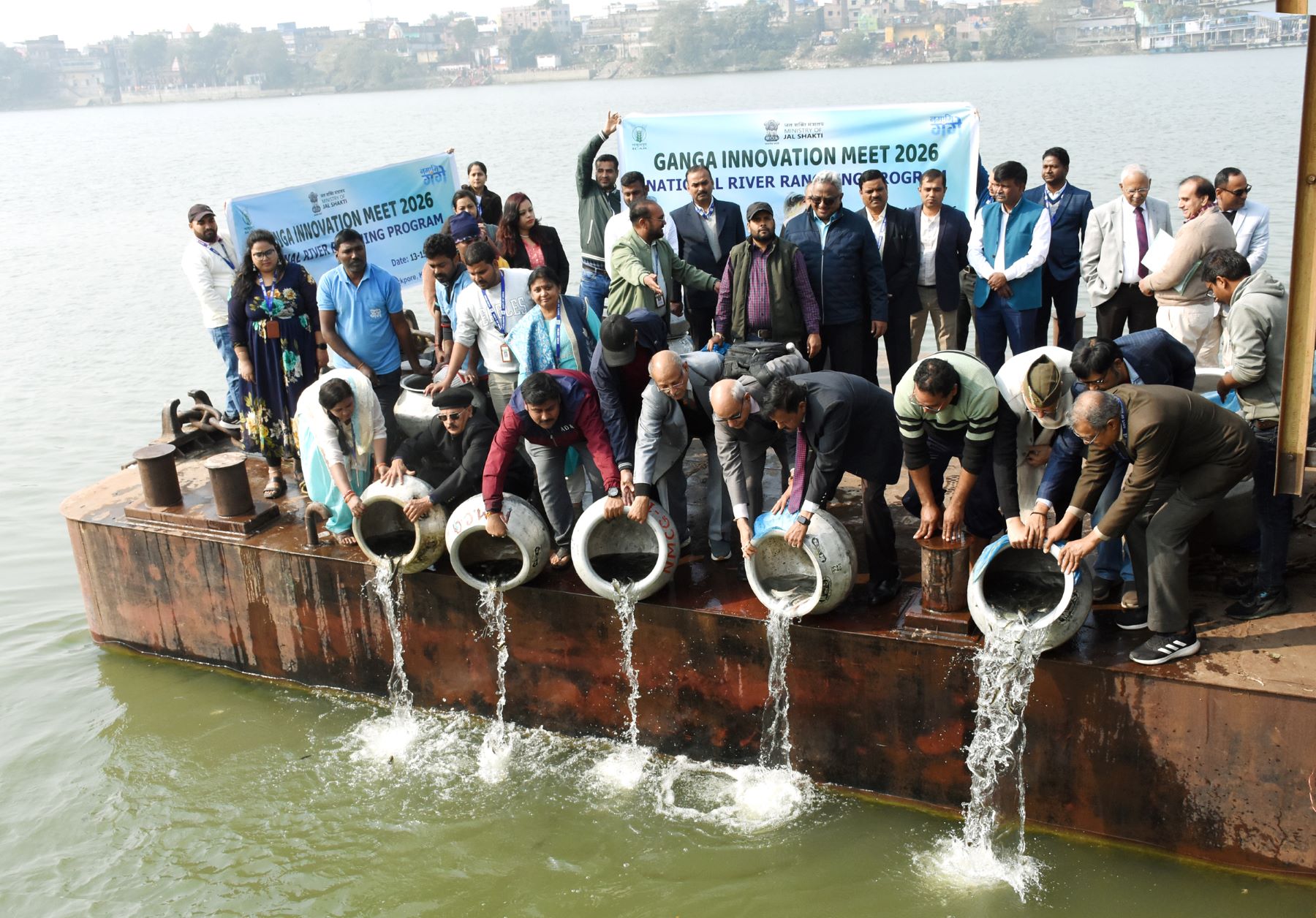
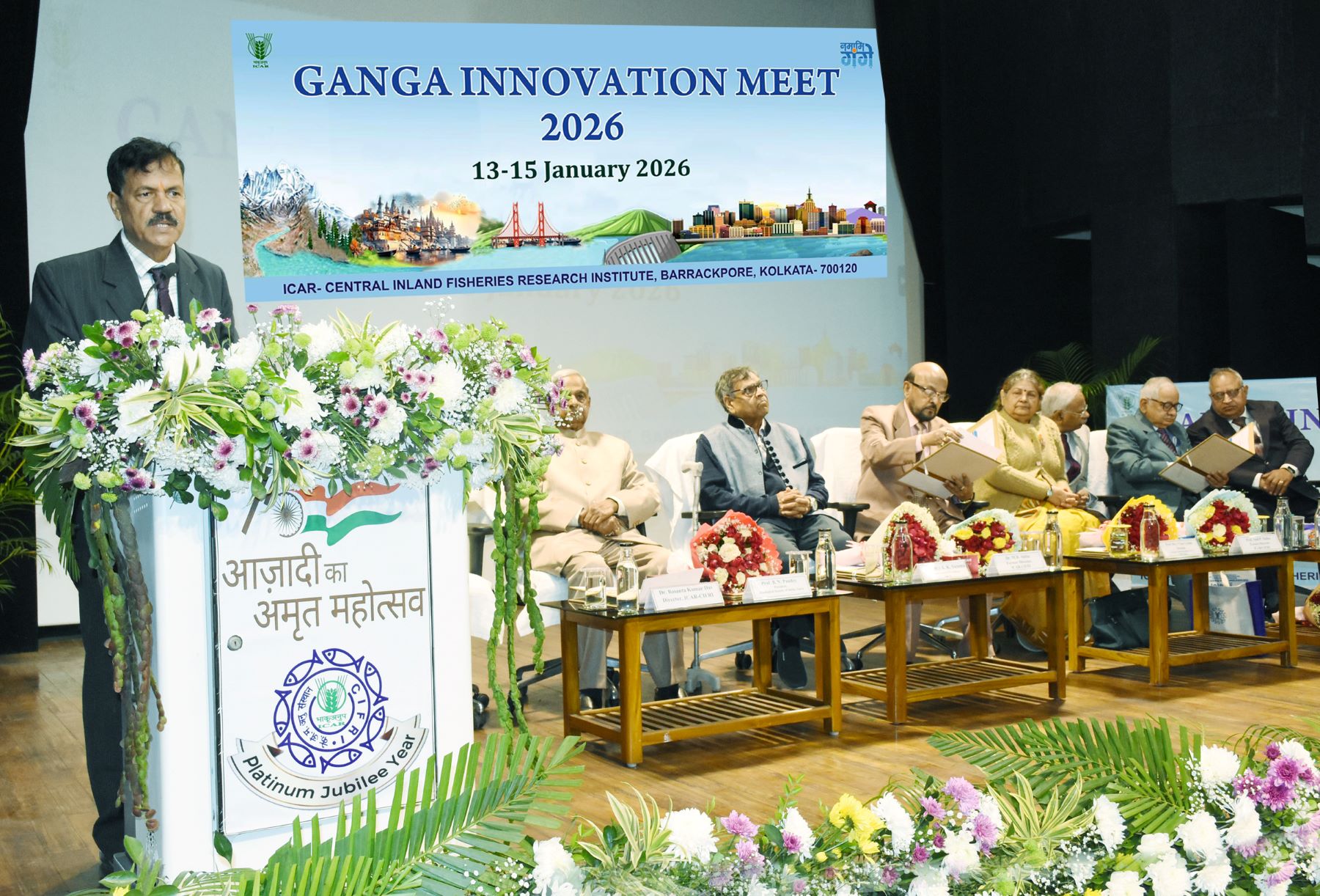
Welcoming the distinguished guests, Dr. B. K. Das, Director, ICAR–CIFRI, highlighted the impact of scientific interventions under the Namami Gange Programme. He stated, “The impact of ranching is clearly reflected in the increased landings of Indian Major Carps, with rises of 24.70 per cent at Prayagraj and 41 per cent at Varanasi compared to 1959, demonstrating the effectiveness of stock enhancement interventions.”
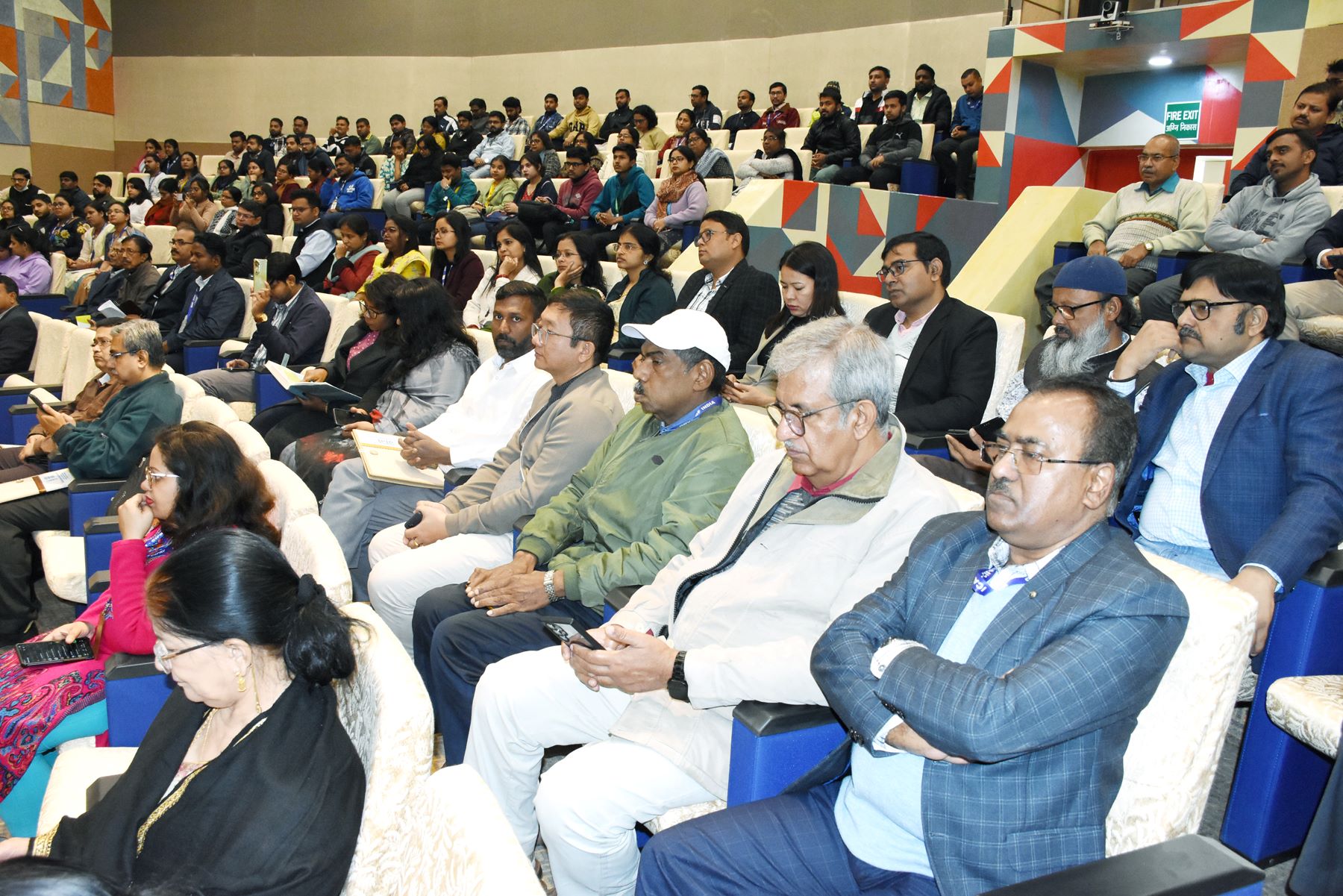
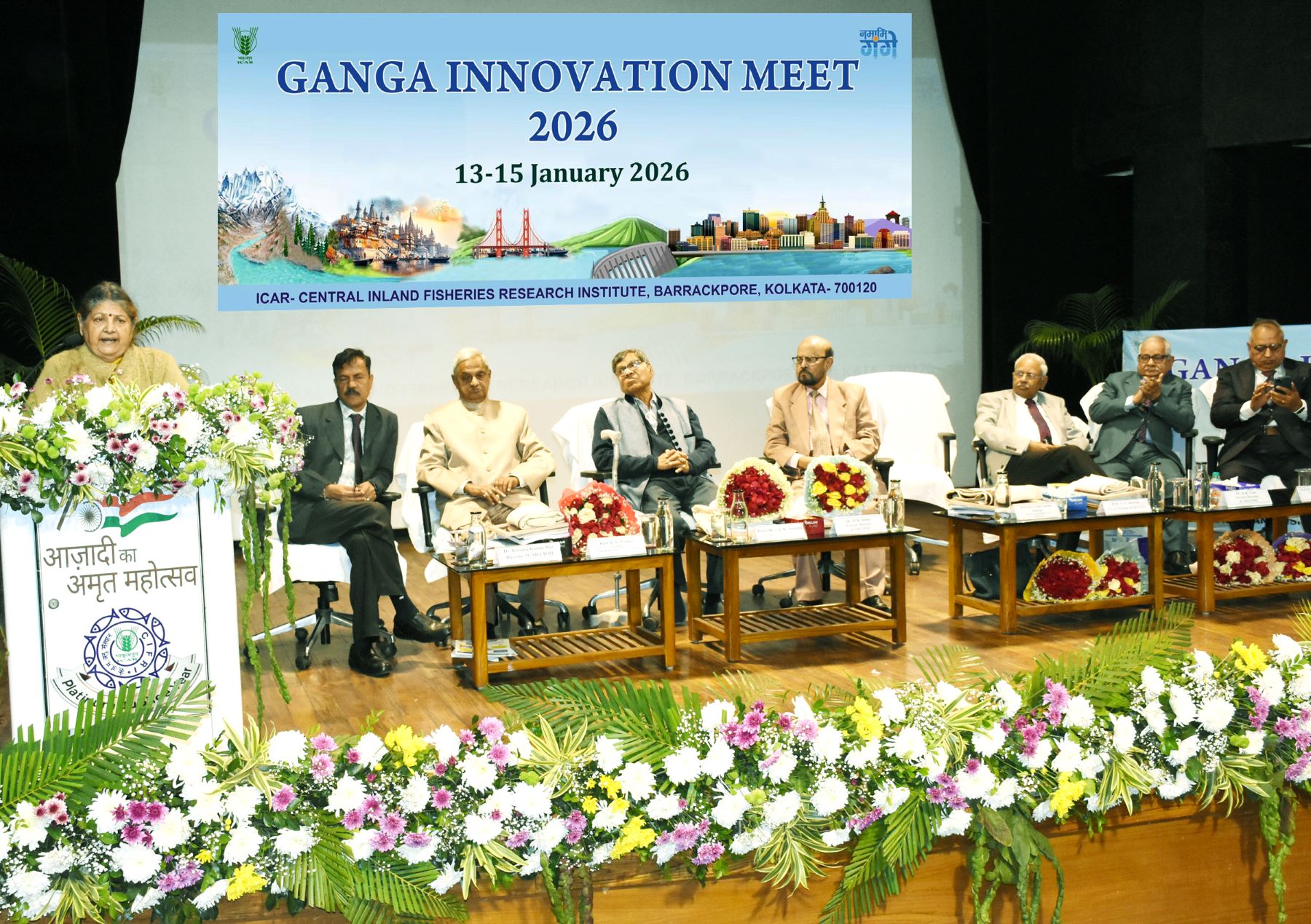
The event also recorded strong community engagement. During the Ganga Aarti, large numbers of local residents, including fishers, participated in the programme, reflecting widespread public support for river conservation initiatives. Technical sessions, panel discussions and experience-sharing meetings were held throughout the three days to assess ongoing interventions under Namami Gange and to identify scalable models for sustainable fisheries development.